

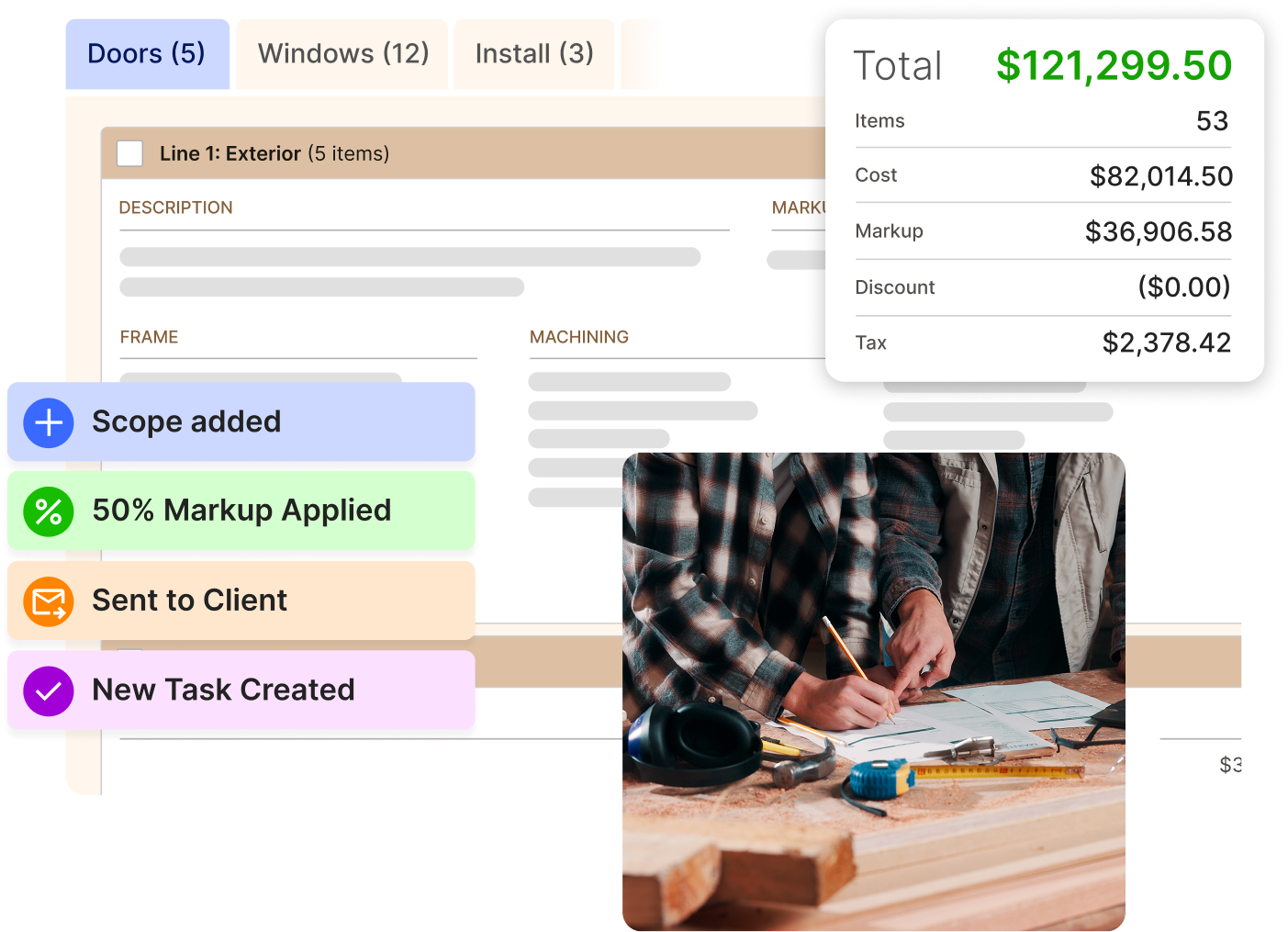
Built for LBM workflows

Real-time visibility across sales, purchasing, inventory, and delivery

Works with QuickBooks (no rip-and-replace)

Keeps orders, vendors, and deliveries aligned

SOLUTIONS
What OmniView Solves
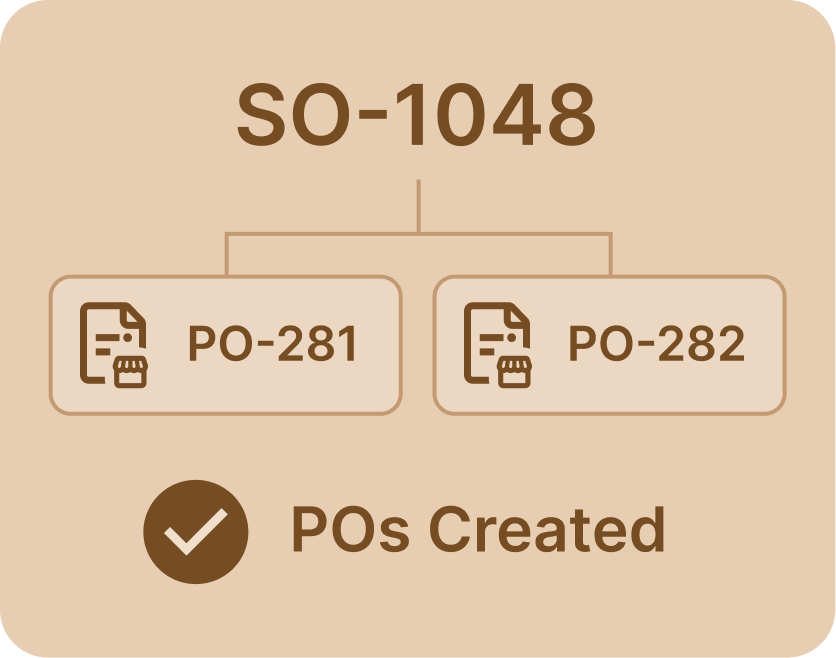
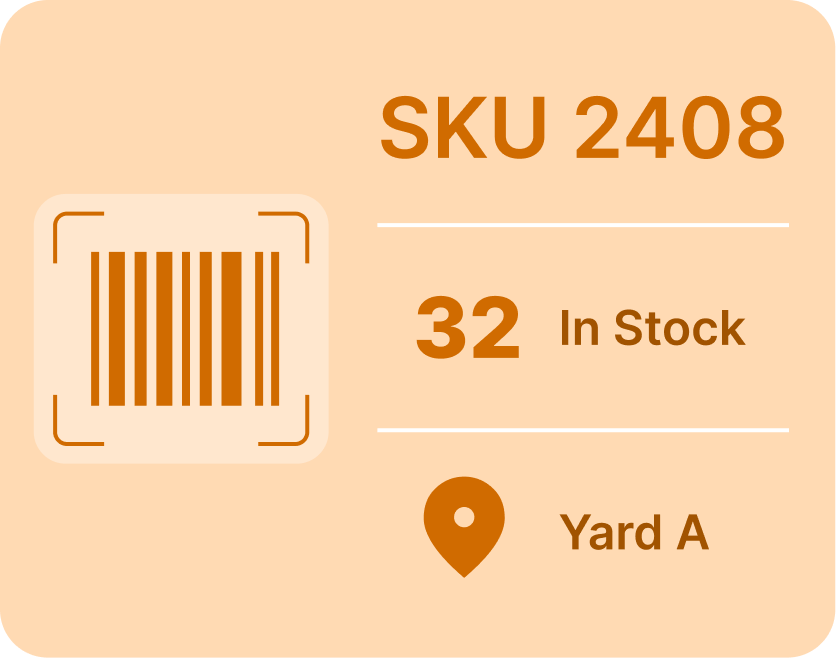
Every sold item triggers the right purchasing path. No scrambling, no gaps, no more missed materials or last-minute ordering.
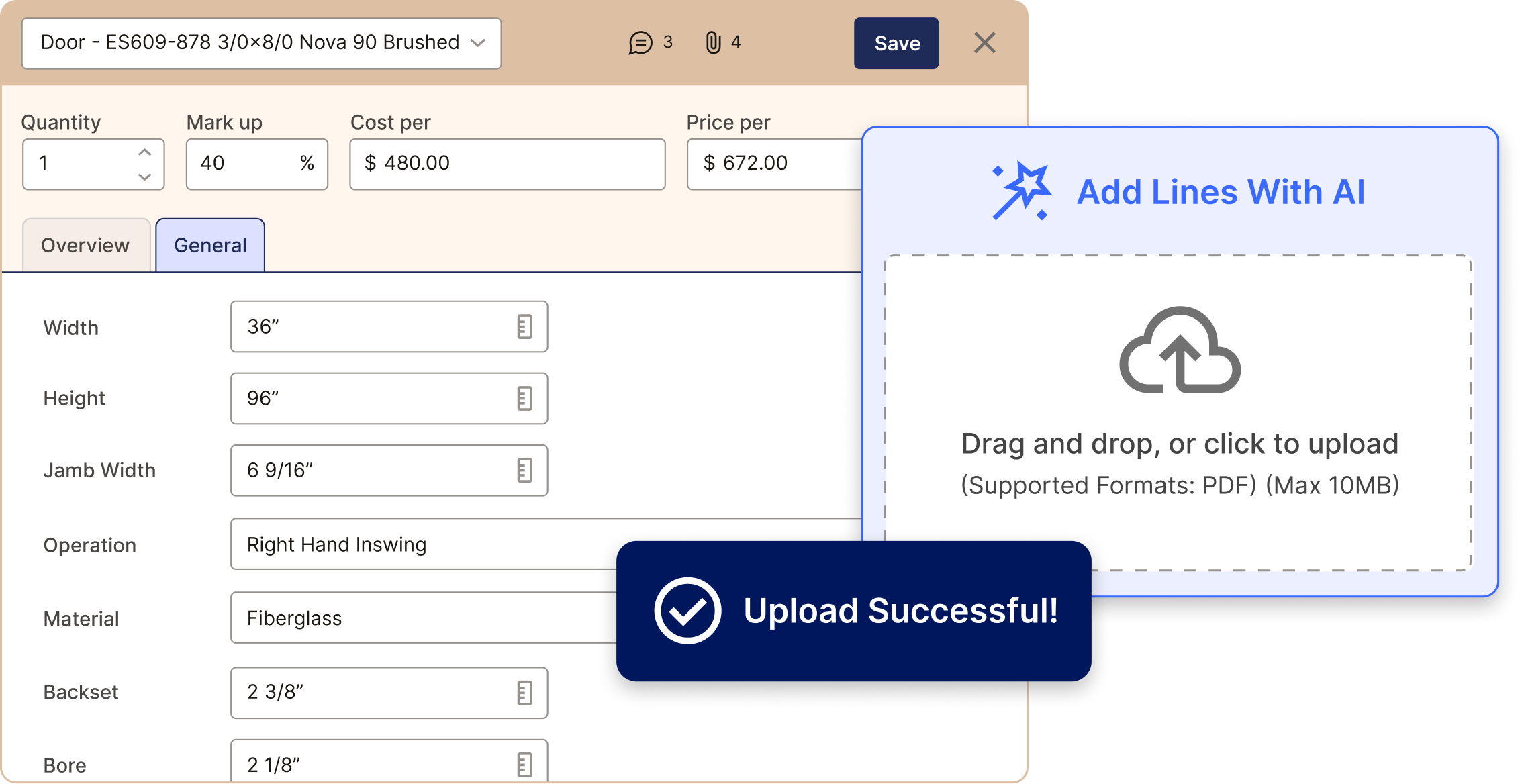
Configure product fields, order detail, and shop workflows around how your operation actually works. No forcing custom jobs into someone else’s template.
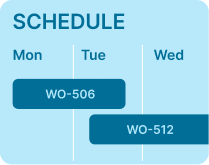
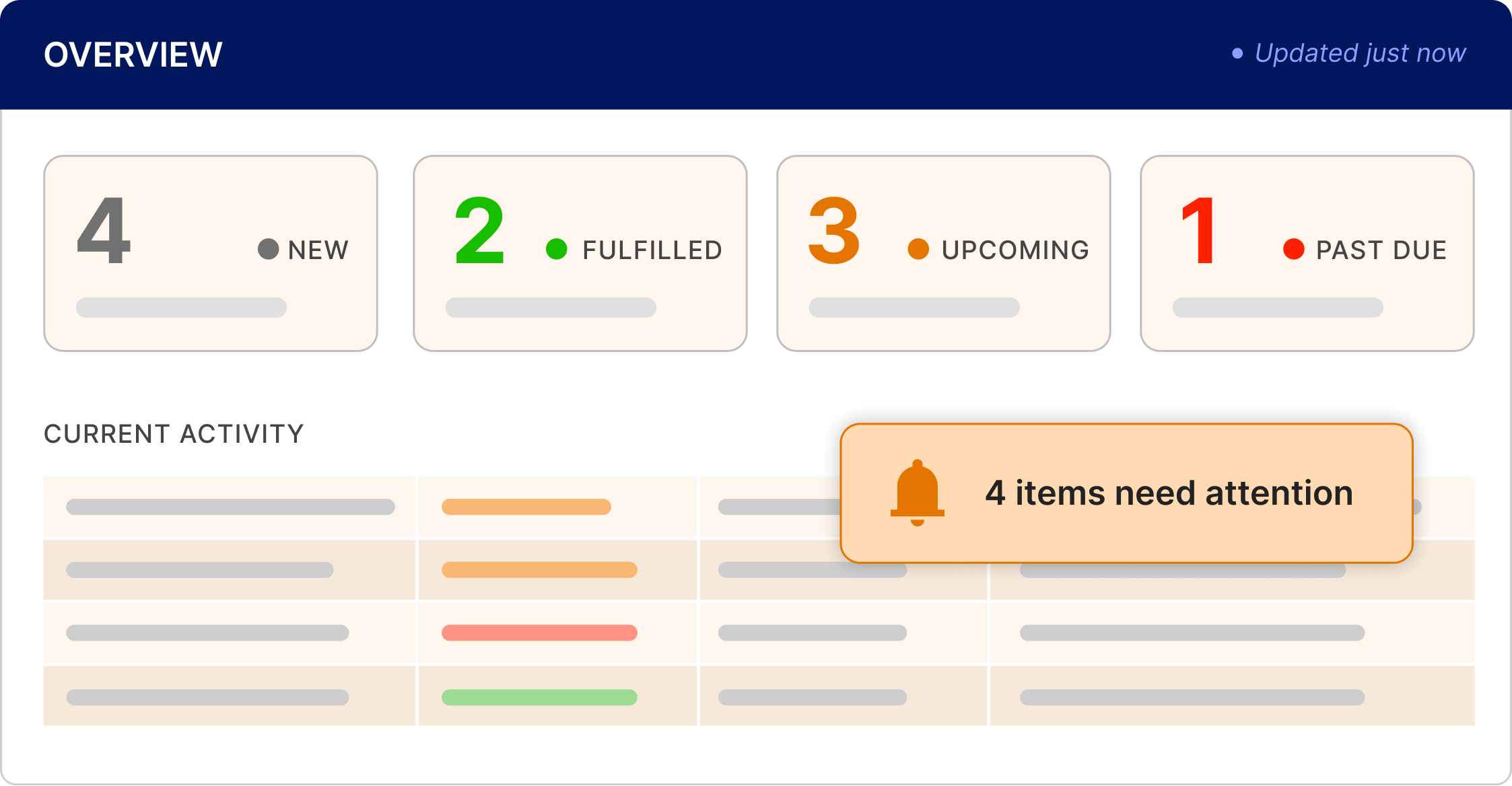
Open purchasing gaps, inbound delays, late invoices, and held items surface before the customer calls. Every team works from the current picture.
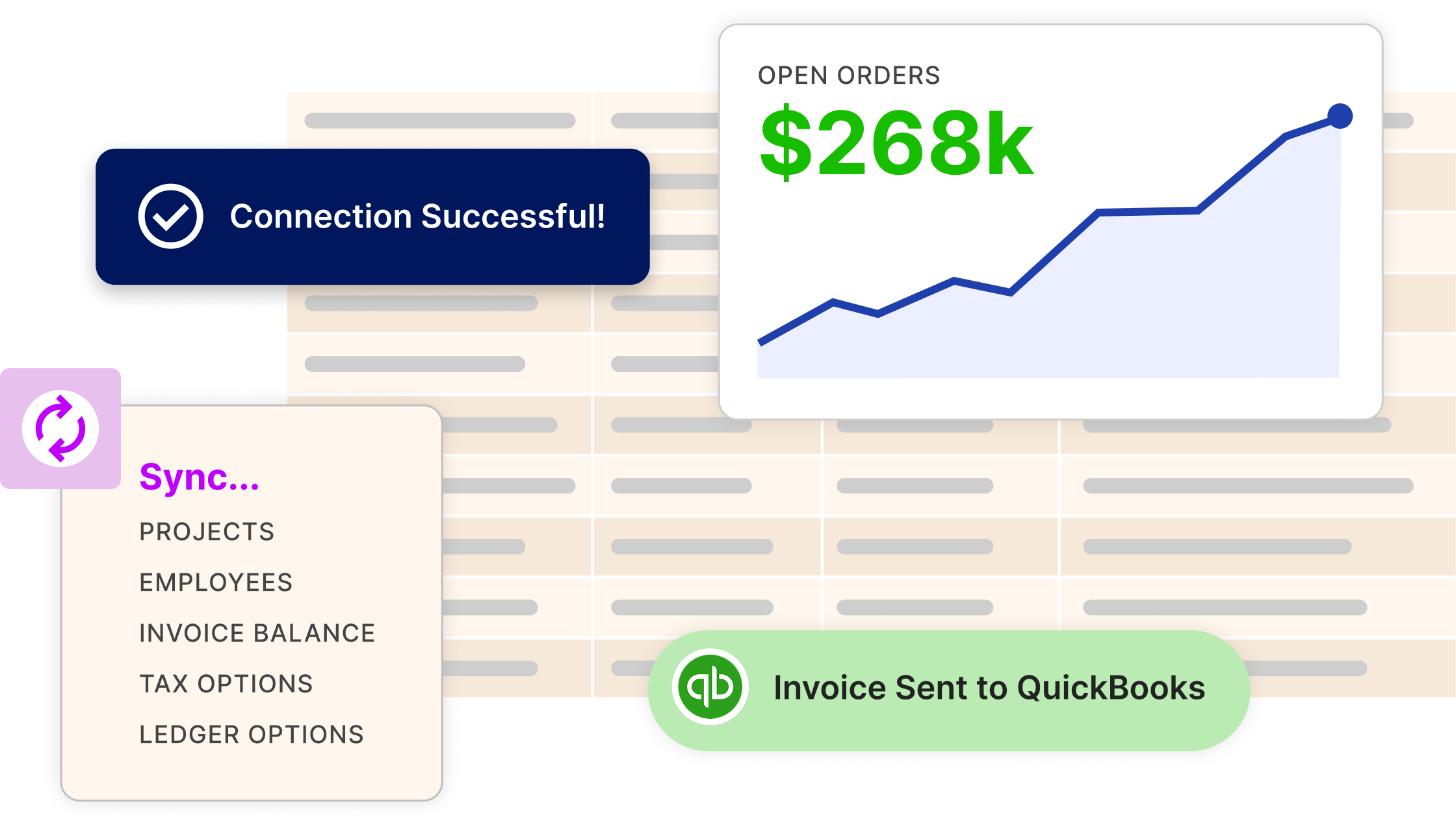
QuickBooks stays where accounting happens. OmniView connects the operational record around it, with API access for dashboards, reporting, and third-party tools.
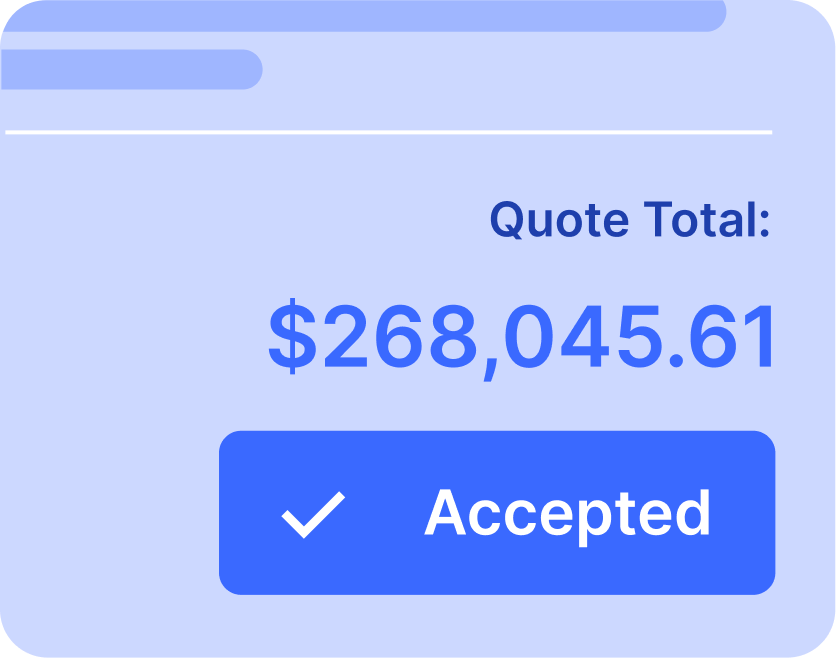
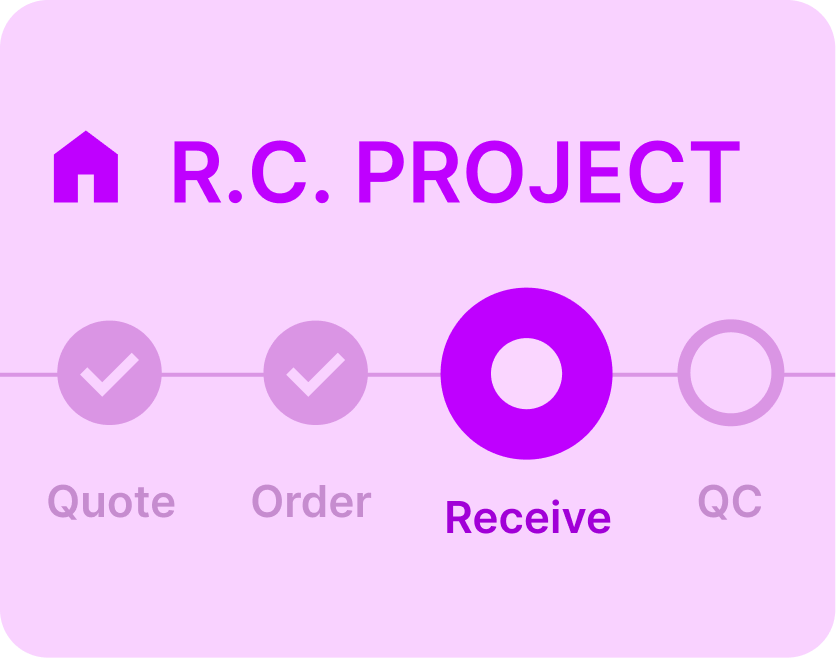
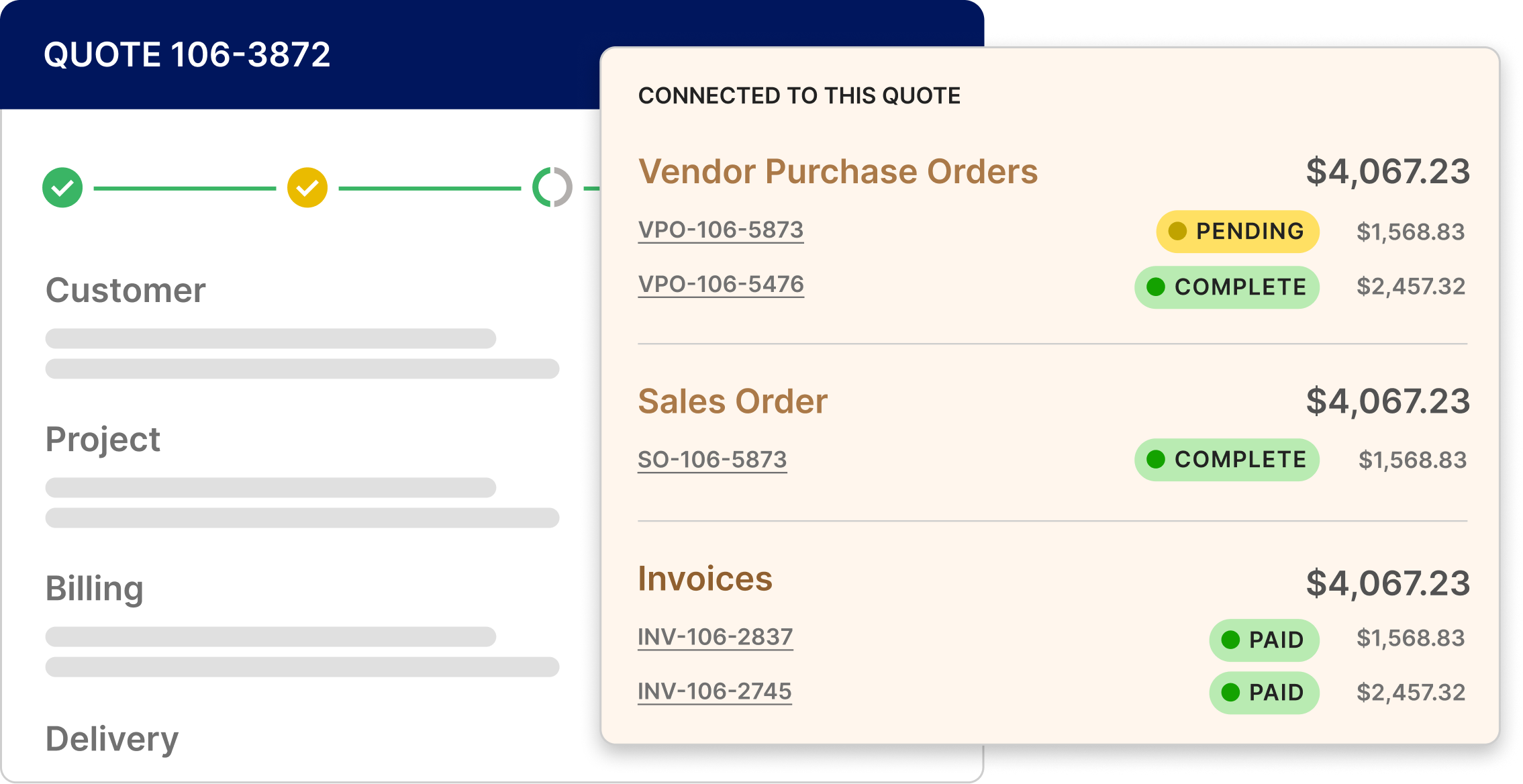
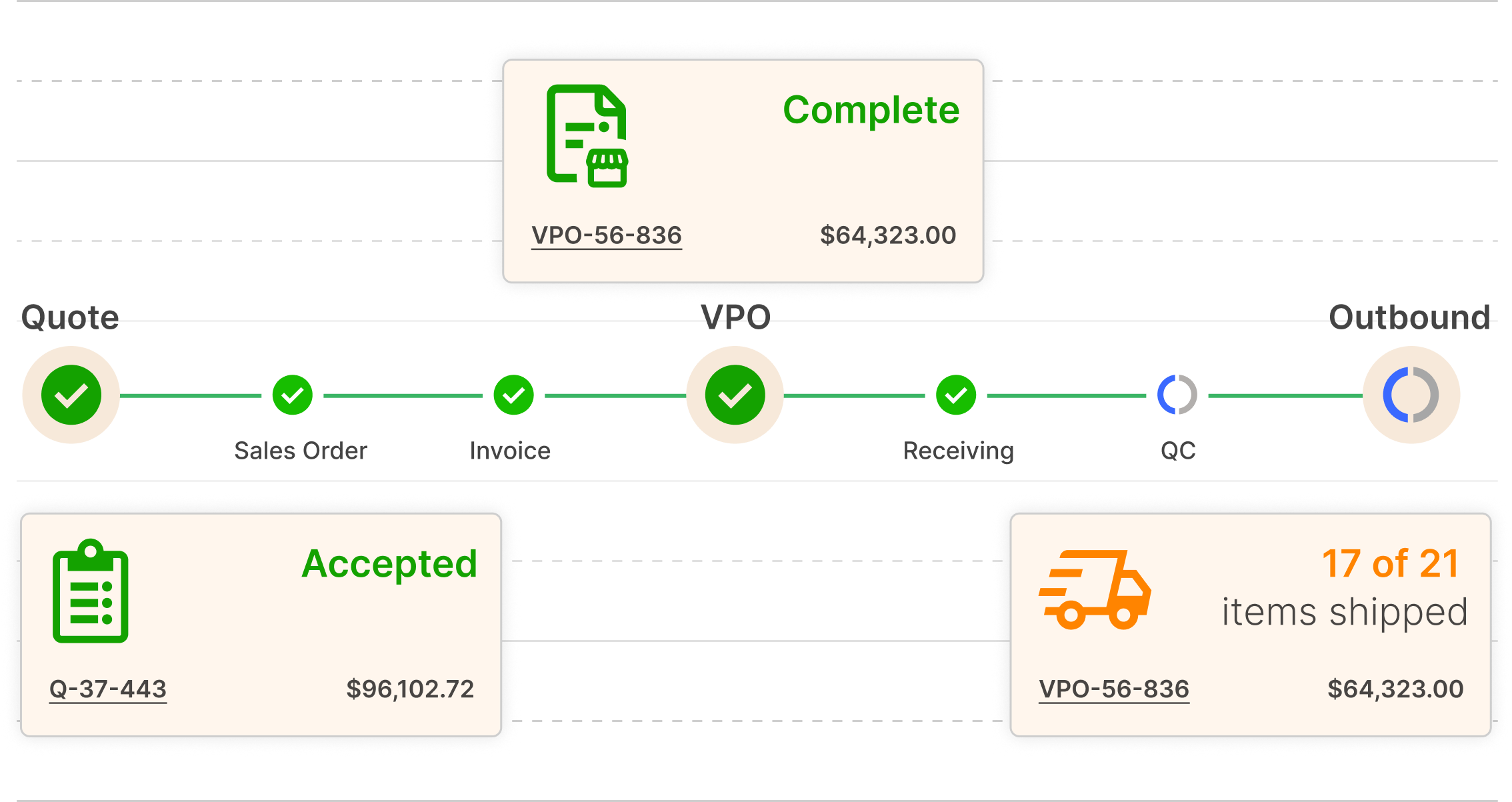
Quotes, orders, purchasing, inbound, fulfillment, invoicing, and delivery all stay tied to the same record. Nothing gets lost between teams.
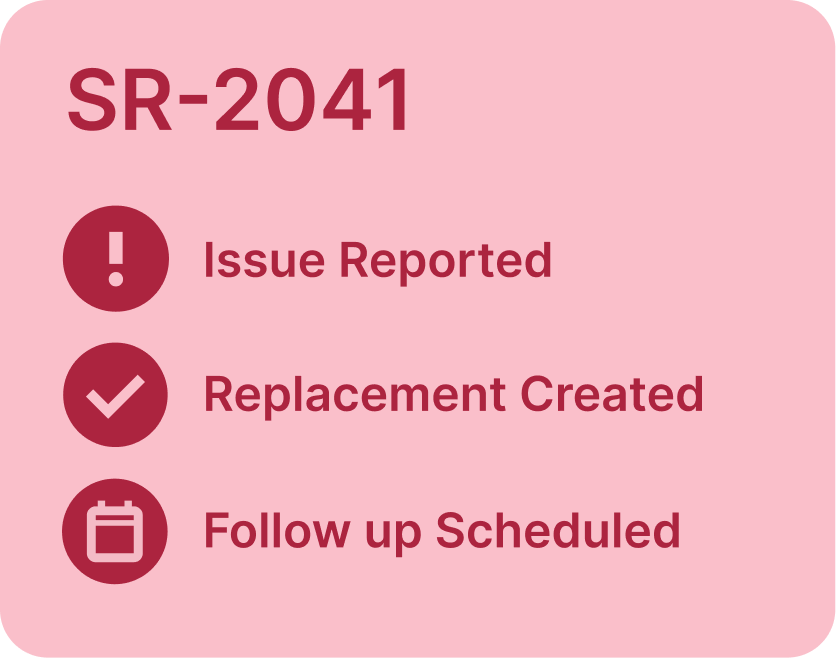
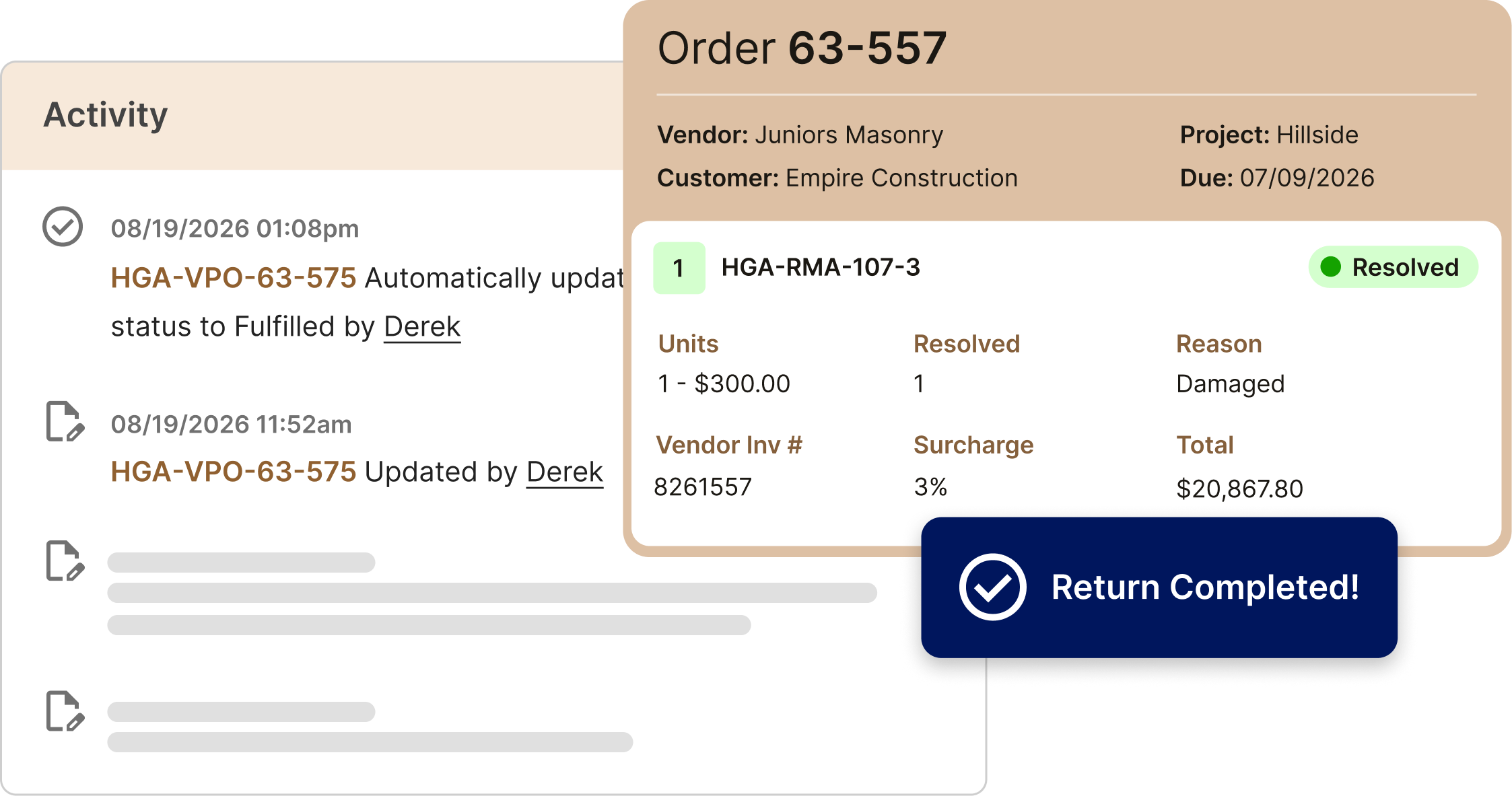
Service requests, RMAs, repair orders, delivery proof, and resolution history stay tied to the original job. When something goes wrong, the history is already there.
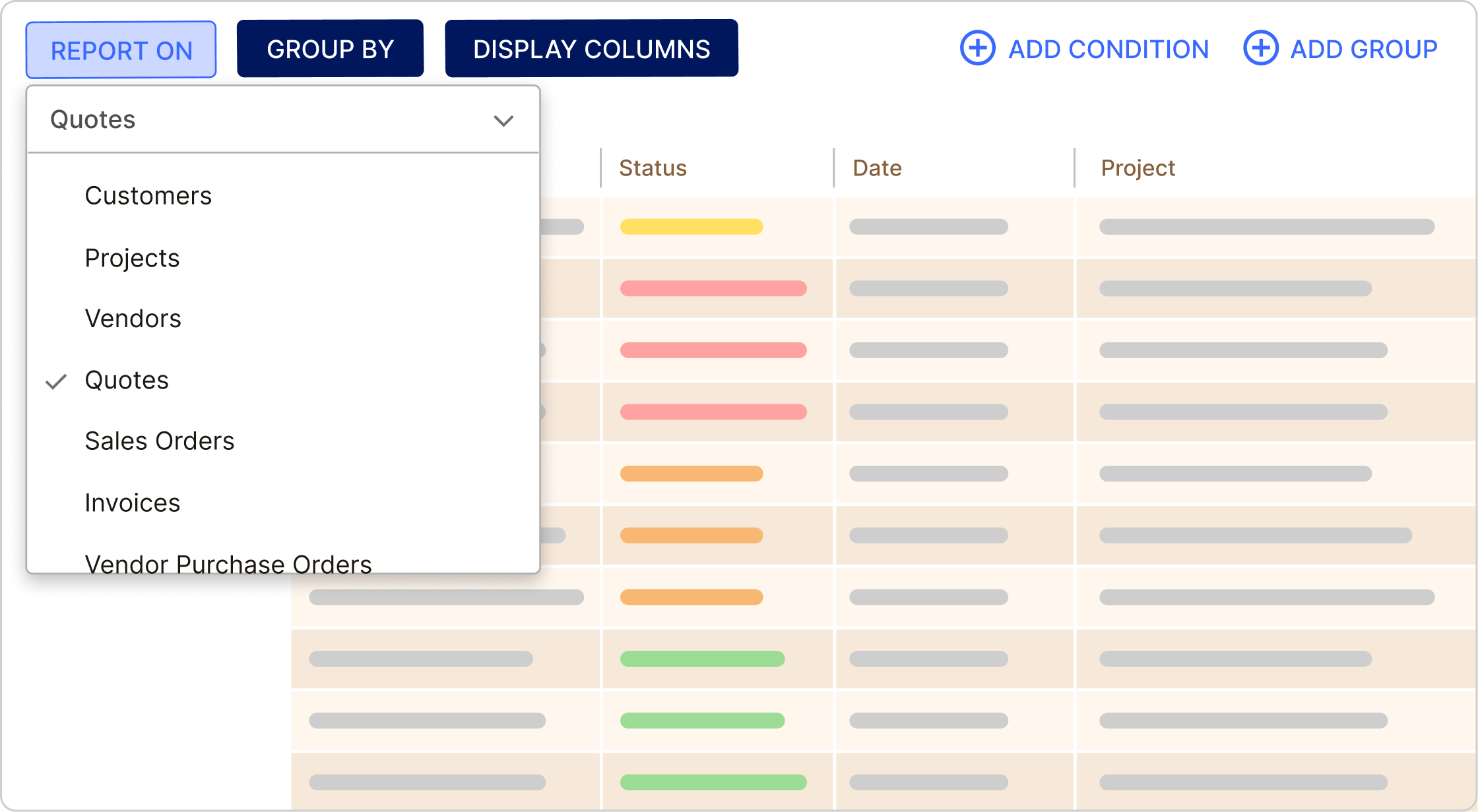
Saved reports pull from connected operational data and run again next week without starting over. Ownership gets the numbers without another spreadsheet rebuild.

OmniView Construct was built alongside real LBM operations – not in a vacuum.
Our platform is shaped by direct input from dealers and industry veterans who’ve lived with the limitations of legacy systems and know exactly what a modern operation needs.
- Built with input from LBM industry veterans
- In production with dealer operations today
- Shaped by feedback from BisTrack power users
“OmniView has made running this business so much simpler. It’s built for the way we sell lumber and millwork, with quotes, orders, inventory and invoicing in one system instead of three. I can spend my energy moving the business forward instead of fighting the software.”

“This has taken so much frustration out of my day. Quotes become orders without retyping, and I can see what’s on hand without walking into the warehouse. When something didn’t work the way we needed, they changed it. It feels like we have a team behind us that actually listens.”
“My day just runs smoother now. The office schedules deliveries, I see what's next on my phone, and nobody has to call to find out where I am. Less back-and-forth, less guesswork; I can get on with the job knowing we're all on the same page.”



OmniView Construct integrates with QuickBooks via OAuth 2.0 with real-time, bi-directional sync—customers, products, estimates, invoices, and payments stay aligned automatically. Your accounting stays where it is; your operations finally connect.
Built API-first and included in every plan. Every entity is accessible via a fully documented REST API—no enterprise upsell required. Build custom dashboards, connect third–party tools, or extend the platform to fit your workflow, with secure access controls instead of direct database workarounds.